
Pulse of the Public
Pulse of the Public

Pulse of the Public

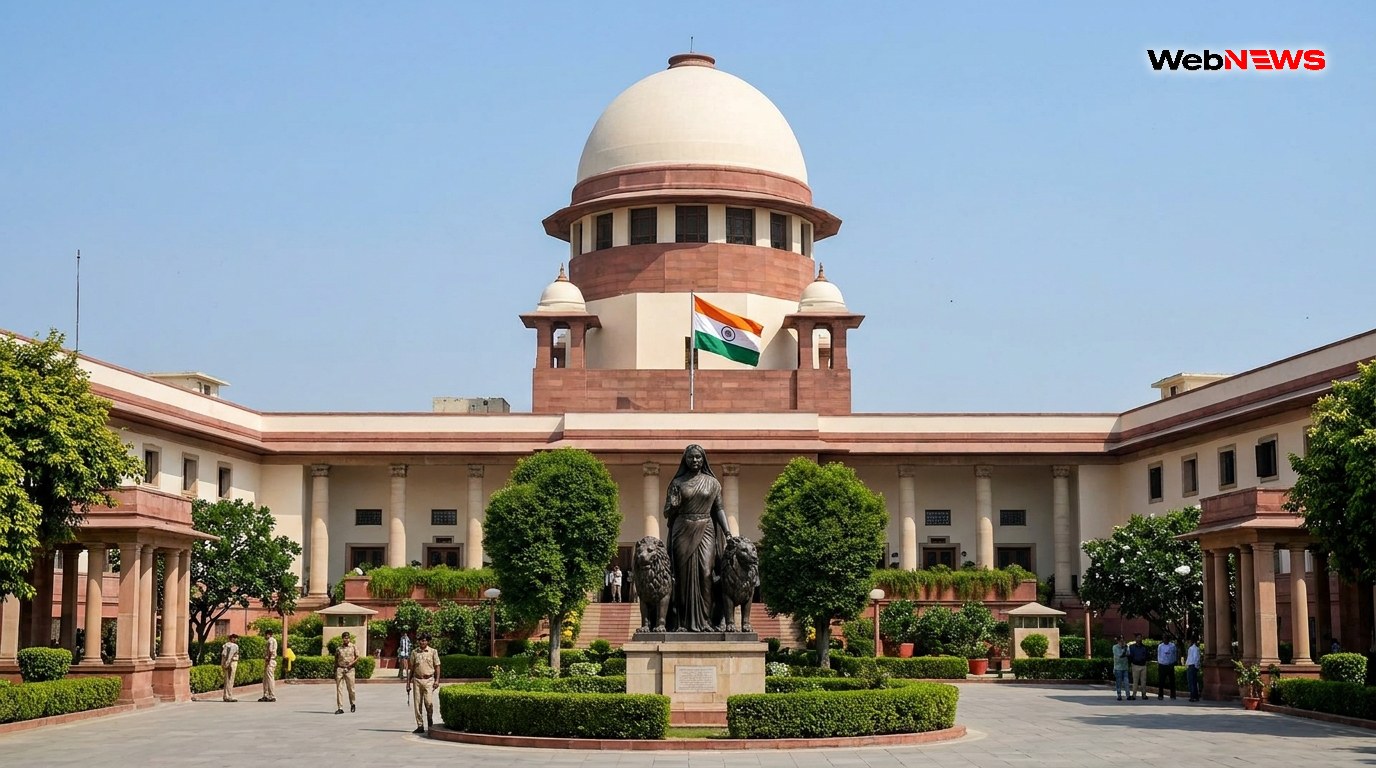 Imaginary Image
To know more, visit AI Pragati (www.aipragati.in).
The Press Information Bureau clarified that a viral document claiming the Ministry of Education is reviewing Teacher Eligibility Test (TET) norms and eligibility is fake and fabricated.
India's Central Board of Secondary Education has announced special Class 12 re-examinations for thousands of students in Gulf countries whose board exams were cancelled earlier this year due to regional conflict.
The Asian Development Bank has approved a $182.89 million loan to support Karnataka's comprehensive public school modernization program aligned with National Education Policy 2020.
The Karnataka Examinations Authority has extended the deadline for fee payment and seat confirmation for UG NEET medical and dental candidates until September 21. KEA also announced the mock seat allotment results for PG professional courses including MBA, MCA, and MTech.